Brita Water Filter
Brita Water Filter: How it works, Benefits, Types and when to replace it.
Brita water filter can sometimes have an unpleasant taste, odor or particular contaminants. Brita Water filter is convenient to filter the impurities that tap water contains before drinking it.
Brita produces several types of filtration products, which include pitchers, dispensers, bottles, and faucet-mounted systems. However, different designs are made for filtering different substances, so it is prefer to choose the right filters.
This guide will help you to understand how a Brita Water filter works. And what type of filter should be suitable for the removal of specific substances, and how often to replace it.
What is a Brita Water Filter?
Brita Water filter is designed to clean up the water that we are use for drinking and for using for domestic purposes.
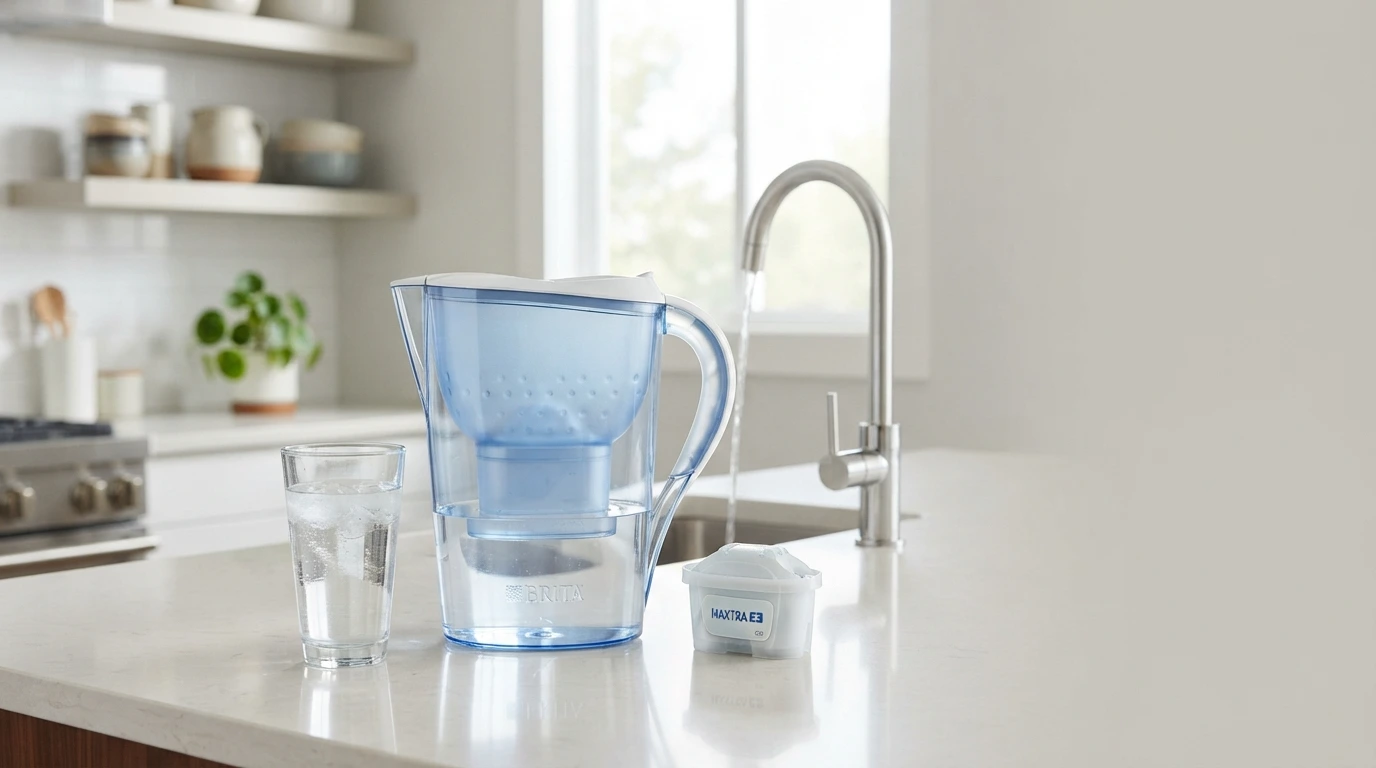
Brita Water Products are Available in several formats:
Water Filter pitchers
Water dispensers
Replacement filter cartridges
The specific type of contaminants reduced depends on the particular Brita filter and product. This is important to considered because a usual filter and exclusive filter, for example do not have identical capabilities.
How does a Brita Water Filter Work?
It depends on the category of Brita filter, different Brita filter use different filtration technologies.
Activated Carbon Filtration
This filter is used to remove the substances that are producing smell and taste in the tap water.
It is claimed by brita that that it’s original filters use coconut based activated carbon to reduce chlorine test and odor, along with certain other contaminations.
Ion Exchange
Some brita filters also use Ion exchange resin. In Brita original filters, this technology is helpful in reducing impurities such as copper and cadmium.
Filter Media
Brita filters use different filtration design and are verified to reduce a broader range of contaminants than the original filter. Brita declare that their elite filters can reduce 30 contaminants, that includes lead, asbestos, and cadmium, for up to 120 gallons.
Filter Media
Different filtration design is used by Brita Elite filters and are certified to reduce a broader range of contaminants than the original filter.
The main point is that not every Brita water filter is designed to remove the same contaminants. Always remember to check the performance information for the exact filter plan to use.
What Does a Brita Water Filter Remove?
The answer depends on the filter.
Brita claims that all it’s filter are designed to reduce chlorine taste and odor, on the other hand some filters are used to reduce health-related conditions such as lead, copper, cadmium and mercury.
For example, the Brita Original filter is designed to reduce:
Chlorine taste and odor
Mercury
Copper
Cadmium
If you are confuse about choosing which filter. It will convenient for you if you understand the difference.
Feature Brita Original Brita Elite
Filter color White Blue
Approximate capacity 40 gallons 120 gallons
Typical replacement About 2 months About 6 months
Chlorine reduction yes yes
Leaf reduction Depends on certification/ product. Yes, for verified systems
Best for Basic everyday Filtration Broader contaminant reduction.
How often Should you Replace a Brita Water filter?
It is essential to replace the filter on schedule because filtration performance depends on the filter remaining within it’s certified life.
According to Britia:
Original filter: Every 40 gallons or approximately 2 months
Elite filter: Every 120 gallons or approximately 6 months
Stream filter: Every 40 gallons or approximately 2 months
Premium filtering water bottle filter: Every 40 gallons or approximately 2 months
Premium filtering water bottle filter: Every 40 gallons or approximately 2 months
Certain faucet filters: Ever 100 gallons or approximately 4 months
These are general guidelines.
If you have particularly hard water or use your filter heavily, you may need to replace it sooner.
Signs Your Filter May Need Replacing
Your filter indicator is the easiest way to track replacement on compatible Britia products. You may also notice:
A change in water taste
Reduced filtration flow
The filter indicator showing replacement is due
How to Change a Britia Water filter
Replacing a Rita filter is generally simple, but the exact process depends on the product .
For a Britia Original pitcher filter:
Wash your hands.
Remove the new filter from its packaging.
Rinse the original filter under cold water for 15 seconds.
Insert it firmily into the picture reservoir.
Feel the picture with cold tap water.
Discard the first three pictures of filtered water.
Reset or activate the filter indicator.
Brita recommends periodically hand washing the pitcher with mild dishsoap and rensing it thoroughly. It also recommends do not use harsh cleansers or putting the pitcher in dishwasher.
Benefits of Using a Brita Water Filter
1.Better-Tasting water
The most apparent benefits of filter water can be improved taste. Brita filters are certified to reduce the taste of chlorine and odor, which can make tap water more drinkable.
2.Multiple Filter Options
Brita offers variety of filtration products for different needs. You can select a pitcher for home use, a bottle for portability, or a faucet system for direct access from the tap.
What a Brita Water Filter Cannot do
It is important to aware about its limitations.
It is not a substitute for water disinfection.Brita clearly states that it’s filter does not make the the microbiologically unsafe or unknown-quality water drinkable without adequate disinfection.
You should also avoid assuming that every Brite filter removes every contaminant.
It is important to check these following before purchasing a filter:
Your local water quality
The contaminants you want to reduce
The exact Brita filter model.
Frequently Asked Questions
Does Brita remove chlorine?
Yes Brita claims that it is verified to remove chlorine taste and odor.
Conclusion
A Brita Water filter can be a convenient way to improve the taste of tape water. And it is suitable way to improve the taste of drinkable tap water and reduce certain contaminations.