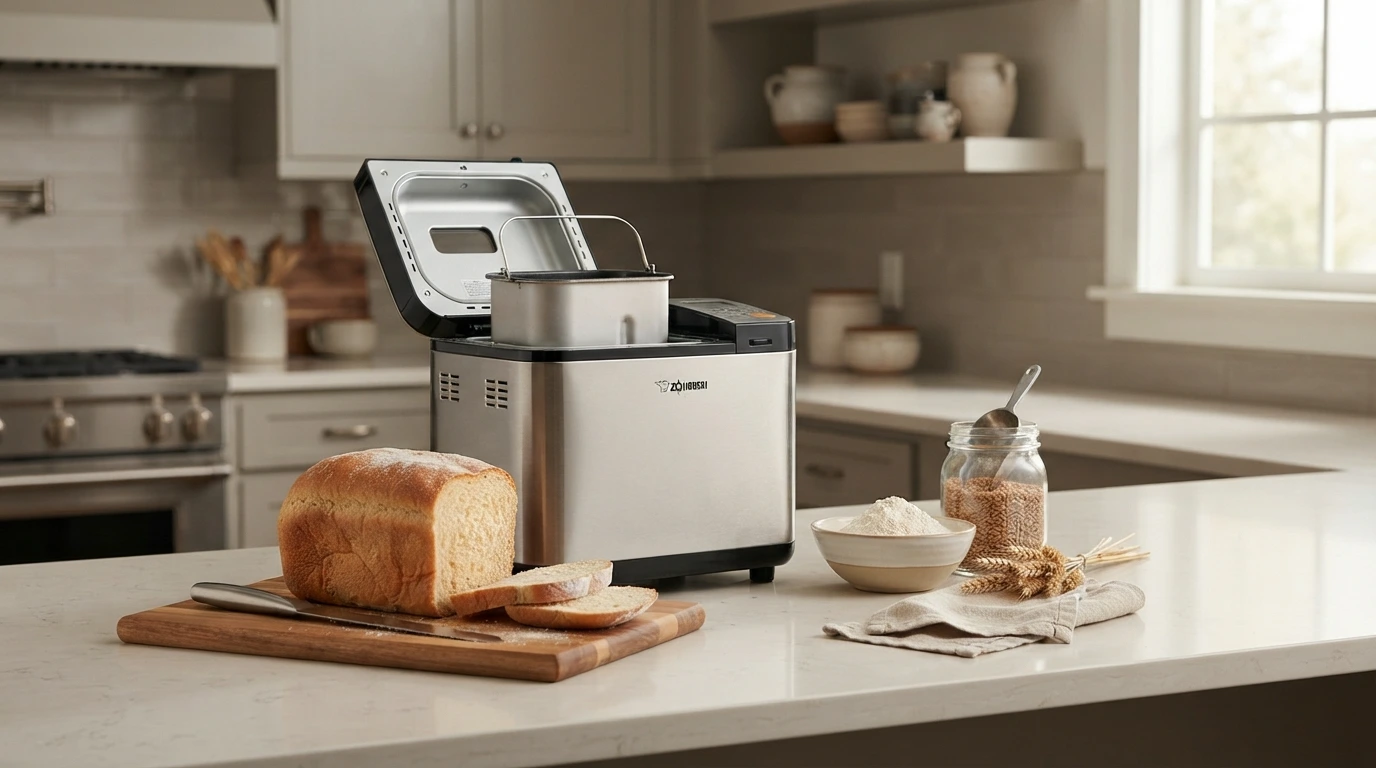
Zojirushi Bread Maker: Features, Models, Pros, and Buying Guide
Learn how a Zojirushi bread maker works, its key features, popular models, pros and cons, and tips for choosing the right bread machine.
Zojirushi Bread Maker: Features, Models, and What It Can Do
Zojirushi doesn’t make just one bread machine. They have a whole lineup, and each one is built for slightly different needs. Depending on which model you pick, you can do way more than just a basic white loaf. Most of them handle traditional bread, whole wheat, multigrain, and even gluten-free bread. But they also go beyond bread. You can use them to mix pizza dough, pasta dough, bake cakes, and even make jam from scratch. Some of the higher-end models let you program your own baking cycles too, so if you have a family recipe you can tell the machine exactly how long to knead, rise, and bake it instead of being stuck with the presets.
If you’re thinking about buying one, it helps to know what you’re actually getting. The features, size, and settings change a lot between models, and so do the limitations. Looking at those details ahead of time means you won’t end up with a machine that’s too big, too small, or missing the functions you care about.
What Is a Zojirushi Bread Maker?
A Zojirushi bread maker is basically an all-in-one baking appliance for your countertop. Instead of doing everything by hand, the machine combines mixing, kneading, rising, and baking into one process. You add your flour, water, yeast, and other ingredients into the baking pan, choose the course on the control panel, and that’s it. The machine takes over from there. It kneads the dough, keeps it warm so it rises properly, and then bakes it into a finished loaf without you having to touch anything.
Right now Zojirushi sells several models. The most talked-about ones are the Home Bakery Virtuoso Plus, the Home Bakery Maestro, and a few others that differ mainly in capacity and features. Some make bigger loaves, some are more compact, and some have extra programs the others don’t.
How Does a Zojirushi Bread Maker Work?
It all comes down to a programmed sequence. Once you start it, the machine runs through the steps for you in order.
First you add the ingredients into the pan, usually in a specific order the recipe tells you. Then the kneading blade starts turning.. It controls the temperature inside so you don’t have to worry about your kitchen being too cold or too hot. When the rising is done, the heating elements kick in and bake the loaf. Some machines even have heat in the lid as well as the bottom, which helps the top brown instead of coming out pale. Once baking is finished, many models will keep the bread warm for a little while so it’s ready when you are.
The exact steps and options depend on the model you have. That dual-blade and dual-heater setup in the Virtuoso Plus, for example, is one of the reasons people say it gives more even baking and a better crust.
Zojirushi Bread Maker Features to Look For
Not every Zojirushi is the same, so it’s worth comparing features to how you actually bake.
One big thing is the number of bread settings. Most machines come with courses for white bread, whole wheat, multigrain, and quick breads. The nicer ones add European bread, gluten-free, vegan, salt-free, and sugar-free options. The Virtuoso Plus has 14 preset courses, plus a “Homemade” setting that lets you build your own cycle.
Loaf size matters too. If you’re feeding a big family, a 2-pound loaf makes sense. The Virtuoso Plus BB-PDC20 does 2-pound loaves and it’s about 18 inches wide, so it takes up decent counter space. If you’re cooking for one or two people, the Maestro BB-SSC10 only does 1-pound loaves and has a much smaller footprint, which is easier to store.
For people who like to tinker, custom recipe settings are a big plus. The Virtuoso Plus lets you save up to three custom programs. You can set your own knead time, rise time, and bake time. That’s handy if you bake the same specialty loaf over and over and the standard programs don’t quite match it.
A delay timer is another convenience feature. You can load the ingredients in the morning and set it to finish baking 13 hours later. Both the Virtuoso Plus and Maestro have this, so you can wake up to fresh bread or come home to it.
And it’s not just bread. Many models include programs for pizza dough, pasta dough, cakes, jam, and even sourdough starter. The Virtuoso Plus covers all of those, so it’s more like a mini baking station than just a bread machine.
Popular Zojirushi Bread Maker Models
Zojirushi has a few main models that keep coming up. The Virtuoso Plus BB-PDC20 makes 2-pound loaves, has dual kneading blades, and includes the Homemade custom settings. The Maestro BB-SSC10 is smaller, does 1-pound loaves, and has an Auto Add Dispenser that drops in nuts or fruit at the right time. The older Virtuoso BB-PAC20 also does 2-pound loaves and is known for its horizontal loaf shape, which makes slices look more like store-bought bread. Then there’s the Mini BB-HAC10 for small households or tight kitchens. Availability changes, so it’s smart to check Zojirushi’s site for what’s in stock before you decide.
Zojirushi Bread Maker Pros and Cons
The biggest pro is convenience. It automates mixing, kneading, rising, and baking, so you cut your hands-on time down to about 5 minutes. You also get a lot of versatility with different bread types and non-bread recipes, and some models let you customize cycles. The process is consistent once you learn it, which is great if you bake often.
On the downside, these machines aren’t small. The 2-pound models take up real counter space. They’re also expensive compared to basic bread machines. You still have to measure ingredients precisely, because bread is picky. And while it does a lot, some recipes still need you to take the dough out and shape it by hand or finish it in a regular oven. Zojirushi even notes in the Virtuoso Plus manual that if you start changing ingredient amounts or swapping things out, results aren’t guaranteed.
How to Get Better Results With a Zojirushi Bread Maker
Even though it’s automated, you still have to treat it right. Measuring is the biggest one. Bread dough is sensitive, so a little too much flour or water can throw off the texture. Follow the recipe exactly at first, especially the ingredient order, because some models want liquids first and others want dry ingredients first.
Don’t overload it either. Adding way more flour than the recipe calls for can strain the motor, and Zojirushi specifically warns about that. If you’re new, start with basic white or whole wheat recipes until you see how your machine behaves. Once you’ve got that down, you can start adding seeds, nuts, dried fruit, herbs, and different flours.
How to Clean a Zojirushi Bread Maker
Cleaning is pretty straightforward but important for making it last. Let the machine and pan cool down first. Take out the baking pan and kneading blade, and wash them according to the manual. Get all the leftover dough off, then dry everything completely before putting it away. Wipe down the outside too. Zojirushi recommends replacing the pan or blades once the nonstick coating starts wearing, because that’s when sticking becomes a problem.
Is a Zojirushi Bread Maker Good for Beginners?
Yes. You don’t need to be a bread expert to use one. The built-in recipes walk you through it, and the machine handles the tricky timing and temperature parts. Just don’t expect every random internet recipe to work perfectly on day one. Start with the recipes from Zojirushi, learn how the machine runs, and then experiment.
Who Should Buy a Zojirushi Bread Maker?
It makes sense if you eat bread regularly, like homemade baking but hate the work, want different kinds of bread without learning each technique, or need something that can also make dough. It’s also great if you like appliances that do the work for you.
It’s probably not worth it if you rarely eat bread, have almost no counter space, or love the hands-on process of kneading and shaping dough yourself.
Frequently Asked Questions
A Zojirushi can be worth it if you bake often and value consistency and convenience. Whether the price feels right depends on how much you’ll use it. You can make white bread, whole wheat, specialty loaves, pizza dough, pasta dough, cakes, and jam, depending on the model. Size varies. The Virtuoso Plus is about 18 x 10.5 x 12.875 inches. Some models do have a gluten-free setting, but check the specific model before buying for dietary needs. Yes, they can make dough. And while there’s no guaranteed lifespan, taking care of it and replacing worn parts will keep it running for years.
Conclusion
A Zojirushi bread maker brings everything you need to make bread into one appliance. The main draw is convenience, but you also get specialty courses, dough programs, delay timers, and custom settings on some models. Before buying, think about loaf size, programs, machine size, and price. Pick based on how you actually bake, not just the model with the longest feature list. For beginners, stick to the manufacturer’s recipes first.
3 Comments